— ✿ —
Historical Research & Documentation
SikhCoins.in Sikh Coinage · 1710–1948
The coins, medals and monetary history of the Sikhs — Banda Singh Bahadur’s first strikes, the misls, the Empire at Lahore, and the Cis-Sutlej states of Patiala, Nabha, Jind and Kaithal.
The Gallery
Every coin, medal and token in the archive, photographed and catalogued.
Browse by period, mint and album, or search the whole database.
About this Archive
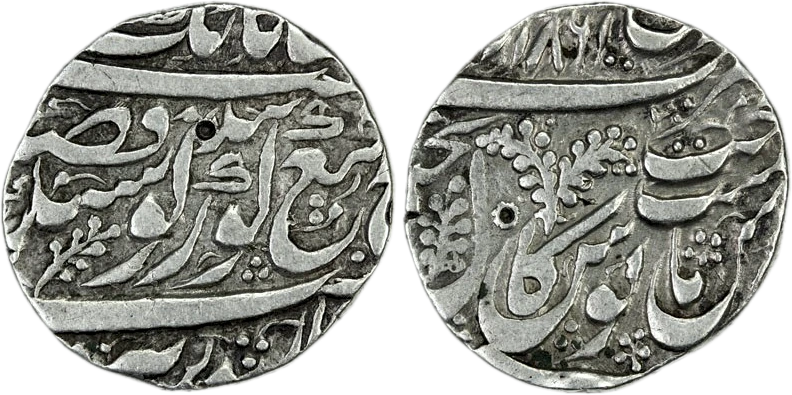
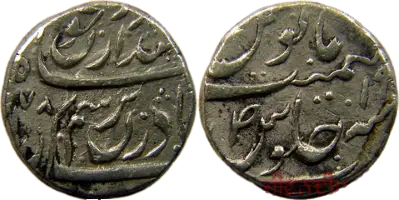
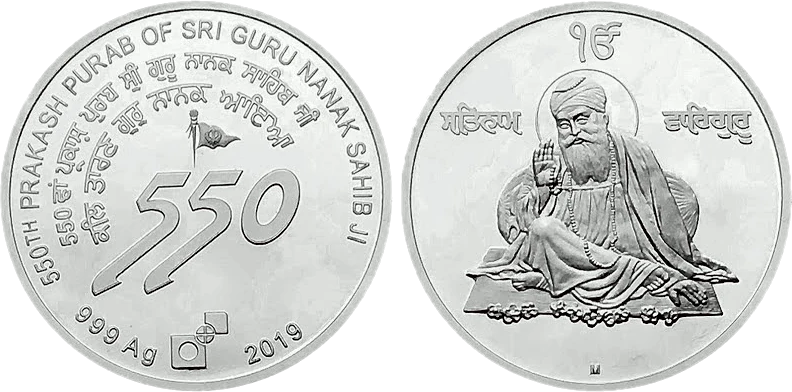
The coins of the Khalsa Raj — struck in gold, silver and copper — are among the most eloquent documents of Sikh sovereignty.
This database has been assembled over decades of research and field study, bringing together coins from museum collections, auction records and private holdings to create the most complete online reference for Sikh numismatics.
From the Archive
Featured Pieces
Exceptional coins from the collection
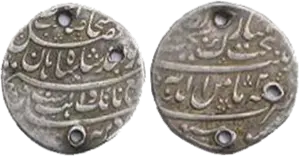
AD 1710 – 1716 · Year 2
Banda Singh Bahadur Rupee
The only known piece of Year 2 — among the rarest survivals of the first Sikh sovereign coinage, struck at the Khalsa mint (Maswarat Shahr).
Unique — Only Known Piece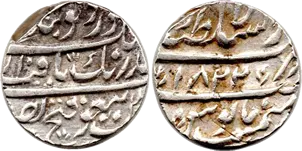
VS 1822 · AD 1765
Dal Khalsa, Lahore Rupee
Struck at Lahore following the Gurmatta of Vaisakhi 1765 — the declaration of Sikh sovereignty. The first rupee issued in the name of the Guru's from Lahore.
Declaration of Sovereignty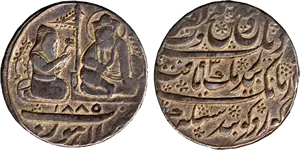
VS 1885/93 · Lahore Mint
The Portrait Rupee
Struck during the marriage celebrations of Kunwar Naonihal Singh — one of the exceptionally rare portrait rupees bearing the likeness of the Maharaja himself.
Extremely Rare Portrait IssueThe Collection
Browse by Period
Coins arranged chronologically across the arc of Sikh political history
AD 1710 – 1716
Banda Bahadur's Coinage
The earliest Nanakshahi coins, struck during the brief Sikh rule — a declaration of sovereignty in metal.
AD 1716 – 1799
Misl Period Coinage
Coins of the Dal Khalsa Confederacy — struck at Lahore, Amritsar, Multan and Anandghar mints, bearing the Gobindshahi and Nanakshahi couplets.
AD 1799 – 1849 · VS 1856 – 1906
Sikh Empire Coinage
The great coinage of Maharaja Ranjit Singh and his successors — from the principal mints of Lahore, Amritsar and Kashmir to the frontier mints of Peshawar, Multan and Derajat. Silver rupees, gold mohurs and copper paisas across seventeen albums.
AD 1764 – 1948 · VS 1821 – 2005
Patiala, Nabha, Jind & Kaithal
Coins of the Phulkian states — Patiala, Nabha, Jind and Kaithal — that came under British protection in 1809, striking Durrani and Gobindshahi rupees until merger into independent India.
Medals & Honours
Sikh Medals & Anglo-Sikh War Awards
Decorations of the Sikh Empire alongside the Sutlej and Punjab medals — artefacts of both Sikh glory and the conflicts that ended it.
Numismatic History
A History in Coin
The monetary arc of Sikh political sovereignty
VS 1767 · AD 1710
The First Sikh Coins — Banda Bahadur
Following the capture of Sarhind, Banda Singh Bahadur struck the first coins in the name of the Khalsa, bearing inscriptions honouring Guru Nanak and Guru Gobind Singh — a momentous assertion of independent Sikh sovereignty.
Read the History →VS 1822 · AD 1765
Gurmatta & the Misl Confederacy
After the Declaration of Sovereignty at Vaisakhi 1765, the eleven Misls began issuing coins collectively in the name of the Dal Khalsa — a unique expression of collective Sikh governance through metal.
Read the History →VS 1856 · AD 1799
Maharaja Ranjit Singh & the Sikh Empire
With the capture of Lahore and subsequent coronation, Ranjit Singh unified the Sikh domains. The imperial mints at Lahore, Amritsar and later Kashmir, Multan and Peshawar struck an extensive and magnificent coinage under his reign.
Read the History →VS 1896 – 1906 · AD 1839 – 1849
The Last Kings & the Fall of the Khalsa Raj
Following Ranjit Singh's death, the empire's coinage continued under Kharak Singh, Nau Nihal Singh, Sher Singh and Duleep Singh — until the annexation of the Punjab by the British East India Company in 1849 brought the sovereign Sikh coinage to an end.
Read the History →AD 1764 – 1948 · VS 1821 – 2005
The Cis-Sutlej States — Phulkian Coinage
The Phulkian states of Patiala, Nabha, Jind and Kaithal struck coins in the names of Ahmad Shah Durrani and — from VS 1893 — the Sikh Gurus, surviving as independent mints for nearly two centuries under British protection.
Read the History →The coins of the Khalsa were unlike those of any other state — they bore not the name of a king, but of the Guru, affirming that sovereignty belonged to the Panth.— The numismatic tradition of Sikh coinage
Essays & Research
Deeper Reading
Scholarly essays on the history, economy and material culture of the Sikh Empire
Banda Singh Bahadur
The disciple who struck the first coins ever issued in the name of the Khalsa — displacing the Mughal emperor from the coin of the Punjab for the first time in history. Two coin types survive his six-year sovereignty. The Year 2 rupee is unique.
Read Essay → History · AD 1716–1799 · The Dal KhalsaThe Sikh Misls
The eleven Misls of the Dal Khalsa confederacy and the most unusual collective coinage in Indian history — rupees struck in no king's name, only the couplets of the Gurus. The declaration at Vaisakhi 1765 and the coins that embodied it.
Read Essay → History · AD 1799–1849 · The Sarkar-i-KhalsajiThe Sikh Empire
Ranjit Singh's empire at its height: fourteen mints from the Khyber to the Sutlej, from Kashmir to Sindh — all striking coins in the Gurus' names, never the Maharaja's own. Five Maharajas, fifty years, and the coinage that recorded every year of it.
Read Essay → History · AD 1839–1849 · The CollapseThe Fall of the Sikh Empire
How the most powerful state in South Asia outside British India dissolved within a decade of its founder's death — Dogra treachery, Army Panchayats, the two Anglo-Sikh Wars, and the stolen bodies of Maharani Jindan and Maharaja Duleep Singh.
Read Essay → Military History · AD 1845–46 · The First WarThe First Anglo-Sikh War
The war the Khalsa nearly won. At Ferozeshah, the British army came closer to catastrophic defeat than at any engagement since Waterloo. Mudki, Ferozeshah, Aliwal and Sobraon — and the treachery of Lal Singh and Tej Singh that decided each.
Read Essay → Military Doctrine · AD 1606–1849 · SynthesisThe Sikh Way of War
Two and a half centuries of Sikh arms as one argument: how does a small force fight a larger one on ground it already holds? From Guru Hargobind’s Akal Sena through the dhai phat doctrine to Ranjit Singh’s deliberate inversion of all of it.
Read Essay →Essays on numismatics, history, political economy, diplomacy and scholarship
Research Resources
Supporting Material
Reference works, forgery guides, stamps and scholarly articles
Fakes & Forgeries
Documented fakes, forgeries and dubious attributions — a collector's guide to authentication, detection, and condition grading
Books & Publications
Published references and scholarly works on Sikh coinage
Articles & Journals
Presentations and journal articles on Sikh numismatics
Sikh Stamps
Stamps issued on Sikhism by countries worldwide
Myths & Misreadings
Non-Sikh coins frequently misattributed as Sikh issues
Research Projects
In-depth compilations by mint and region for focused study