SikhCoins.in  ✿  Numismatic History

A History
in Coin

From the first coins struck in the name of the Khalsa at Lohgarh in 1710 to the last rupees of the Phulkian princely states in 1948 — two centuries of Sikh political sovereignty recorded in silver and gold.

Four Chapters  ·  AD 1710 – 1948  ·  238 Years  ·  1,218+ Coins

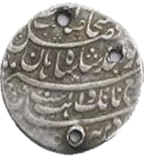
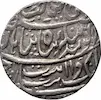
Banda Singh Bahadur rupee Year 2 Banda Bahadur
1710
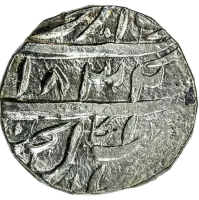
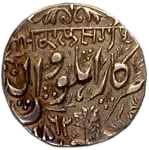
Dal Khalsa Lahore rupee VS 1822 Dal Khalsa
1765
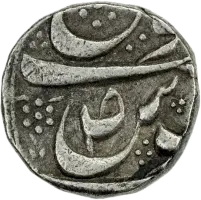
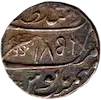
Lahore rupee VS 1856 Sikh Empire
1799
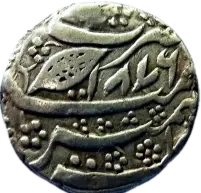
Patiala rupee Ala Singh Patiala
1764
Nabha rupee Hamir Singh Nabha
pre-1783
Jind rupee Gajpat Singh Jind
1772
Banda Singh Bahadur
I
Banda rupee Year 2 Year 2
Rupee
Banda rupee Year 3 Year 3
Rupee

Chapter I  ·  The First Coins

Banda Singh
Bahadur

The Sovereign Rupees of Lohgarh

AD 1710 – 1716  ·  VS 1767 – 1773

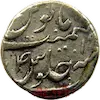
Following the fall of Sirhind in May 1710, Banda Singh Bahadur struck the first coins ever issued in the name of the Khalsa — a momentous assertion of Sikh sovereignty in metal. Only two types are known, of Year 2 and Year 3 of his brief reign. The Year 2 rupee is a unique specimen. Their legends invoke the authority of Guru Nanak and Guru Gobind Singh, displacing the Mughal emperor's name from the coin for the first time in Punjab. Banda was executed at Delhi in 1716; his coins survived him as the seed of every Sikh rupee that followed.

2 coin types  ·  Mint: Lohgarh (Mashwarat Shahr)  ·  Nanakshahi couplet

Read Chapter I
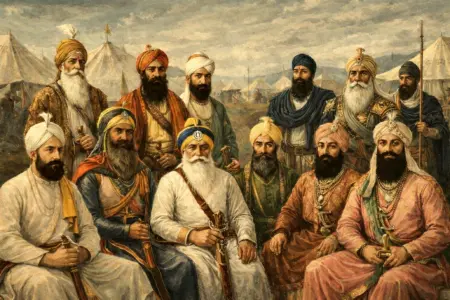
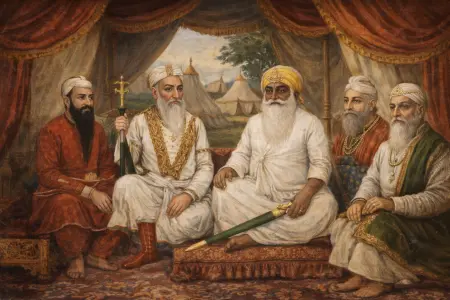
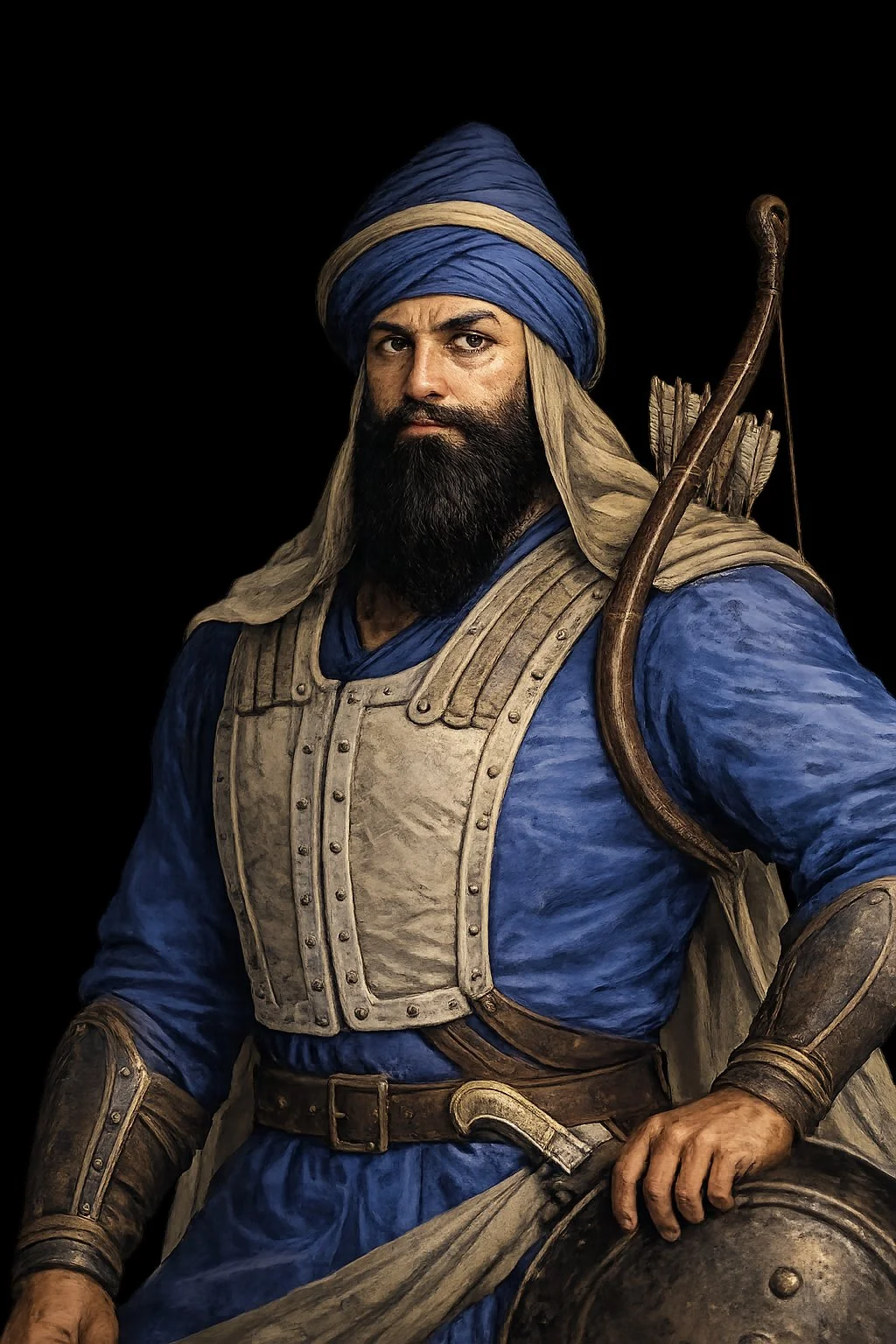
The Dal Khalsa sardars in durbar
II
Dal Khalsa Lahore rupee VS 1822 Lahore
VS 1822
Amritsar rupee VS 1832 Amritsar
VS 1832
Multan rupee VS 1829 Multan
VS 1829

Chapter II  ·  The Dal Khalsa

The Sikh
Misls

Rise of the Dal Khalsa Confederacy

AD 1716 – 1799  ·  VS 1773 – 1856

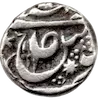
After Banda Singh Bahadur's execution, the Sikhs reorganised as the Dal Khalsa — a confederacy of eleven Misls — and through decades of guerrilla warfare seized Punjab from the Mughals and Durranis. At Vaisakhi 1765, following their Declaration of Sovereignty, they struck coins collectively in the name of the Dal Khalsa at Lahore — coins that bore no king's name or portrait, only the Nanakshahi and Gobindshahi couplets of the Gurus. It is among the most unusual collective coinage in history.

167 coins  ·  Mints: Lahore · Amritsar · Multan · Anandghar  ·  4 albums

Read Chapter II
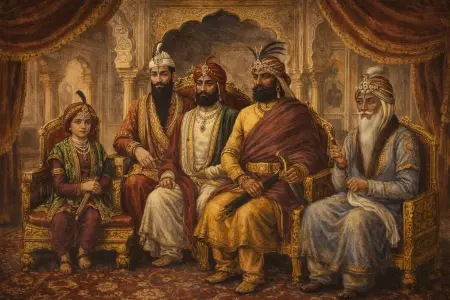
The Five Maharajas of the Sikh Empire
III
Lahore rupee VS 1856 Lahore
VS 1856
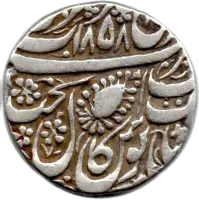
Amritsar rupee VS 1858 Amritsar
VS 1858
Ahluwalia rupee VS 1862 Ahluwalia
VS 1862
Kashmir rupee VS 1876 Kashmir
VS 1876

Chapter III  ·  Sarkar-i-Khalsaji

The Sikh
Empire

The Lion of Lahore & the Coins of the Punjab

AD 1799 – 1849  ·  VS 1856 – 1906  ·  Five Maharajas

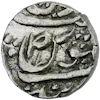
Ranjit Singh's capture of Lahore in 1799 unified the Sikh domains into the most powerful state in South Asia outside the British Empire. He struck coins at fourteen mints across an empire stretching from the Sutlej to the Khyber and from Kashmir to Sindh — all bearing the Gurus' couplets, never his own name or portrait. His four successors maintained the same tradition until British annexation in March 1849 ended the sovereign Sikh coinage of the Punjab.

534 coins  ·  14 mints  ·  17 albums  ·  Gobindshahi & Nanakshahi couplets

Read Chapter III
The Phulkian Chiefs of the Cis-Sutlej
IV
Patiala rupee Ala Singh AH 1178 Patiala
AH 1178
Nabha rupee Hamir Singh Nabha
pre-1783
Jind rupee Gajpat Singh Jind
AH 1186
Kaithal rupee Bhai Lal Singh Kaithal
c. AH 1198

Chapter IV  ·  The Phulkian States

The Cis-Sutlej
States

Patiala, Nabha, Jind & Kaithal — The Phulkian Coinage

AD 1764 – 1948  ·  VS 1821 – 2005

The Phulkian chiefs of the Malwa — all descended from Chaudhari Phul (d. 1652) — struck coins in the name of Ahmad Shah Durrani from as early as AH 1178 (1764), three years before the Treaty of Amritsar separated them from the Sikh Empire. Under British protection from 1809, they continued minting for a further 139 years. From VS 1893 (1836) the Nabha, and later Patiala, rupees carry the Gobindshahi couplet — a Sikh declaration within a Durrani framework — making these among the most historically layered coins of the subcontinent.

186 coins  ·  4 states  ·  8 minting authorities  ·  Durrani & Gobindshahi types

Read Chapter IV

How the chapters connect

May 1710  ·  Lohgarh

The First Sikh Coins

Banda Singh Bahadur strikes rupees at Lohgarh bearing Guru Nanak's name — displacing the Mughal emperor from the coin for the first time in Punjab. Two types are known across his six-year reign. His execution in 1716 ends the first Sikh sovereignty but does not end the coin tradition he founded.

Chapter I →

Vaisakhi 1765  ·  Lahore

The Dal Khalsa Declaration & the First Dal Khalsa Rupee

Fifty years after Banda, the reconstituted Dal Khalsa — eleven Misls acting as a single body — strikes coins at Lahore in the name of the Sikh collective, not any individual king. These rupees carry no royal name; only the couplets of the Gurus. It is simultaneously the most republican and the most theocratic coinage in Indian history. Ala Singh of Patiala had already struck the first Cis-Sutlej rupees the previous year, AH 1178 (1764).

Chapter II →

25 April 1809  ·  Amritsar

The Treaty of Amritsar — One River, Two Destinies

Ranjit Singh signs the Treaty of Amritsar with the British, fixing the Sutlej as his eastern boundary. The Cis-Sutlej Sikh chiefs — Patiala, Nabha, Jind, Kaithal — pass under British protection. North of the river: the Sikh Empire strikes coins at fourteen mints until annexation in 1849. South of the river: the Phulkian states continue striking their own rupees for another 139 years, outlasting the Empire by a full century.

Chapter III → · Chapter IV →

29 March 1849  ·  Lahore

Annexation — The Empire Falls, the States Survive

The British annexation of the Punjab extinguishes the Sikh Empire's sovereign coinage. Fourteen mints fall silent. The Cis-Sutlej states — already under British protection — continue unaffected. Their rupees, now carrying the Gobindshahi couplet at Nabha since VS 1893, remain the last living expression of Sikh numismatic sovereignty. They will not cease until the Phulkian states merge into PEPSU in 1948.

Chapter IV →

1948  ·  PEPSU

The Last Rupees

The Phulkian states of Patiala, Nabha and Jind merge into PEPSU (Patiala and East Punjab States Union). The Nabha mint — operating on Rs 570 per year, striking only a few hundred coins annually for Gurudwara offerings — closes. The last Yadavindra Singh Gobindshahi nazarana of VS 1994 is the final coin in the numismatic succession that began with Banda Singh Bahadur in 1710. The arc is complete: 238 years, four chapters, one tradition.

"The coins of the Khalsa bore not the name of a king but of the Guru — affirming that sovereignty belonged not to any man, but to the Panth entire."

— Numismatic tradition of the Sikh polity, 1710–1948

The Collection

Browse by Period

1,218+ coins arranged across the arc of Sikh political history