SikhCoins.in  ✿  Online since 2005

ਸਲੋਕ ਮਃ ੩ ॥
ਬਾਬਾਣੀਆ ਕਹਾਣੀਆ ਪੁਤ ਸਪੁਤ ਕਰੇਨਿ ॥
ਜਿ ਸਤਿਗੁਰ ਭਾਵੈ ਸੁ ਮੰਨਿ ਲੈਨਿ ਸੇਈ ਕਰਮ ਕਰੇਨਿ ॥
ਜਾਇ ਪੁਛਹੁ ਸਿਮ੍ਰਿਤਿ ਸਾਸਤ ਬਿਆਸ ਸੁਕ ਨਾਰਦ ਬਚਨ ਸਭ ਸ੍ਰਿਸਟਿ ਕਰੇਨਿ ॥
ਸਚੈ ਲਾਏ ਸਚਿ ਲਗੇ ਸਦਾ ਸਚੁ ਸਮਾਲੇਨਿ ॥
ਨਾਨਕ ਆਏ ਸੇ ਪਰਵਾਣੁ ਭਏ ਜਿ ਸਗਲੇ ਕੁਲ ਤਾਰੇਨਿ ॥੧॥

Translation

The stories of the forefathers make their children noble and worthy.
Those who are pleasing to the True Guru accept His word, and act accordingly.
Go and ask the Simritis, the Shastras, Vyaas, Suk and Naarad —
their words sustain all the world.
Those who are attached to the True Lord remain absorbed in Truth forever.
O Nanak, those who redeem their entire lineage are truly accepted and approved.

Salok Mahalla 3  ·  Guru Amar Das Ji  ·  Guru Granth Sahib
Continue

The Collector

Two Paisas
from Amritsar

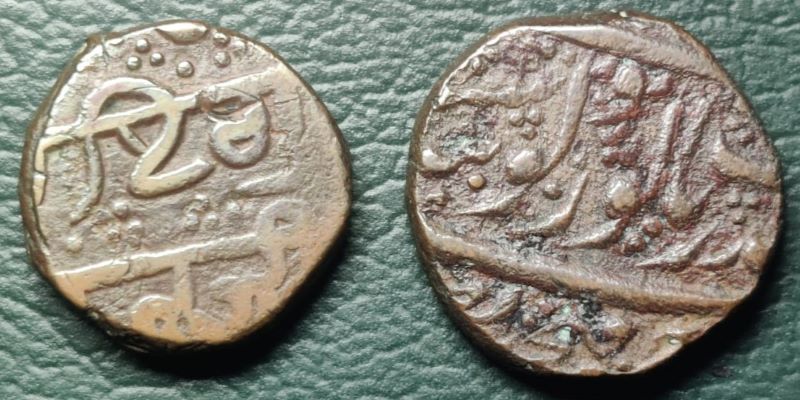
The year was 1980. The place was Amritsar — the sacred centre of the Sikh world, the city of the Harmandir Sahib, the city that gave its name to the treaty that divided the Sikh Empire from the Cis-Sutlej states in 1809. A child of five, browsing a vendor's stall on a visit to his hometown, was handed two small copper coins.

One was a Gurmukhi-type paisa of the Sikh Empire, struck at Amritsar mint. The other was the Farsi type from the same mint — the two varieties of the same coin, different in script, identical in sovereign statement. Both bore the legends of the Gurus. Both were, in miniature, the entire history of Sikh political and spiritual authority pressed into copper. The vendor probably sold them for a few rupees. They were worth, it turned out, a lifetime.

His parents bought him the book on coins by Dr. P.L. Gupta. The interest became a collection. The collection became research. The research became SikhCoins.in.

"I wanted to know what the coins actually said. Not what the myths said about them — what the coins themselves said, in their legends, in their weight, in their mint marks and their dates. The coins are primary sources. Everything else is commentary."

Jeevandeep M Singh has been collecting Sikh coinage since the 1980s and researching it since the 1990s. Over four decades he has assembled not just a collection of over 1,218 coins across 54+ albums but a body of original scholarship — published in the journals of the Oriental Numismatic Society, the Numismatic Society of India, the Awadh Coin Society, and presented at the Royal Numismatic Society — that has materially advanced the field. His 2023 paper identifying the first known coin of Bhadaur state (a previously unknown Durrani-type rupee attributed to Bir Singh, c. 1805–15) added a new entry to the corpus of Cis-Sutlej numismatics. His work on the heavy Patiala rupee and the Kaithal coinage has given collectors and dealers precise tools for attribution where there were previously only guesses.

He currently lives in Ludhiana, Punjab.
Jeevandeep M Singh

Amritsar  ·  Tarna Dal  ·  Nishanwalia Misl

Collecting since

1980  ·  Amritsar mint paisas, Gurmukhi & Farsi types

Researching since

1990s  ·  Published in ONS, NSI, Mumbai Coin Society, Awadh Coin Society amongst others

Collection

1,218+ coins  ·  54+ albums  ·  3,000,000+ views

Site online since

2005  ·  sikhcoins.in  ·  Non-commercial & free

Specialisation

Sikh Empire coinage  ·  Cis-Sutlej states  ·  Misl period  ·  Banda Bahadur

The Mission

A Free Resource — for the Novice
and the Experienced Alike

SikhCoins.in is a non-commercial, free online resource — it has been since the day it went online in 2005 and it remains so today. There are no subscriptions, no paywalls, no advertisements. Every coin in the database, every reference article, every attribution note is available to anyone who visits.

The purpose is straightforward: to provide accurate information about the actual coins of the Sikh Empire and its related states, drawn from primary numismatic evidence — the legends on the coins themselves, their weights, their dies, their mint marks, their provenance — and from the best scholarly sources available. The site is built for the novice who has just found their first Sikh coin and wants to know what it is, and for the experienced collector or dealer who needs a precise attribution tool. Both should find what they need here. The myths about these coins — and there are many, circulated in auction catalogues, dealer lists and popular histories — are examined and, where the evidence demands it, corrected.

The database is a working research collection, not a display cabinet. Coins are documented to be understood, not merely admired.

1,218+ Coins documented
54+ Albums
3M+ Total views
2005 Online since
20+ Years of research

Original Research

Publications & Contributions

Heritage

Tarna Dal & the
Nishanwalia Misl

Jeevandeep M Singh's family belongs to the Tarna Dal — the younger division of the Dal Khalsa, the army of the Khalsa confederacy — and were associated with the Nishanwalia Misl, the Misl of the Standard, the keepers of the Nishan Sahib, the Khalsa flag.

The Nishanwalia Misl was one of the eleven Misls of the Dal Khalsa confederacy that governed the Punjab in the eighteenth century before the consolidation of the Sikh Empire under Ranjit Singh. The Nishan Sahib was the sacred standard of the Khalsa; the Misl entrusted with its custody held a position of unique spiritual significance within the confederacy. The Nishanwalia chiefs' coins are among the rarest in Sikh numismatics.

This is not incidental context. A researcher whose own family formed part of the Misl period — who holds the history of that era not as abstract scholarship but as lineage — brings a relationship to these coins that no amount of library research alone can replicate. The coins of the Dal Khalsa are, in a direct sense, his family's coins. The Gobindshahi couplet on the reverse of a Lahore rupee of VS 1822 is the same couplet his ancestors would have heard at the time of its striking. This is what the site is built from.

The Dal Khalsa

Tarna Dal  ·  Nishanwalia Misl

The Dal Khalsa — the Army of the Khalsa — was organised into two divisions: the Budha Dal (the Elder Army, of veterans and the spiritually senior) and the Tarna Dal (the Younger Army, of active campaigners). The Tarna Dal was further divided into five jathas, each commanded by a sardar. From these five jathas the eleven Misls crystallised over the course of the eighteenth century.

The Nishanwalia Misl — the Misl of the Standard — took its name from its custody of the sacred Nishan Sahib, the Khalsa flag. Its chiefs were among the sardars of Lahore, and their territories lay in the heart of the Punjab. The Misl issued coins at the Lahore and Amritsar mints as part of the collective Dal Khalsa coinage — coins that bore the same Nanakshahi and Gobindshahi legends as all the other Misl coinage, with no individual Misl name, because the coins of the Dal Khalsa were the coins of the collective, not of any one sardar.

With Ranjit Singh's consolidation of the Punjab from 1799, the Misls were absorbed into the Sikh Empire. The coins of the Dal Khalsa period — those struck between VS 1822 (1765) and VS 1856 (1799) — are the numismatic record of the confederation those Misls created together.

Acknowledgements

Standing on Shoulders

This site, and the research it contains, stands on the work of the scholars and collectors who came before. The foundational studies of Dr. P.L. Gupta — whose book on coins was the first numismatic text in this collection, purchased by a child's parents in Amritsar in 1980 — remain indispensable. The work of Hans Herrli on Sikh coinage, the scholarship of Hari Ram Gupta on the Misls, the reference of Sidhu, Saran Singh & Dalwinder Singh (Spink & Son, 2022) — each has contributed something irreplaceable to the study of Sikh numismatics.

Thanks are also due to the Oriental Numismatic Society, the Numismatic Society of Inddia, the Awadh Numismatic Society, and the Royal Numismatic Society amongst others for providing forums in which original research on Sikh coinage can be published and tested. And to the collectors and dealers worldwide — in India, the United Kingdom, the United States, Canada and beyond — who have shared specimens, questioned attributions, and kept the conversation alive.

The coins do not lie. Everything on this site is an attempt to listen to what they are saying.

Contact  ·  sikhcoins@gmail.com